


Regional Experts Roundtable - Updating 2024 Regional Index on VAWG- Baghdad, Iraq
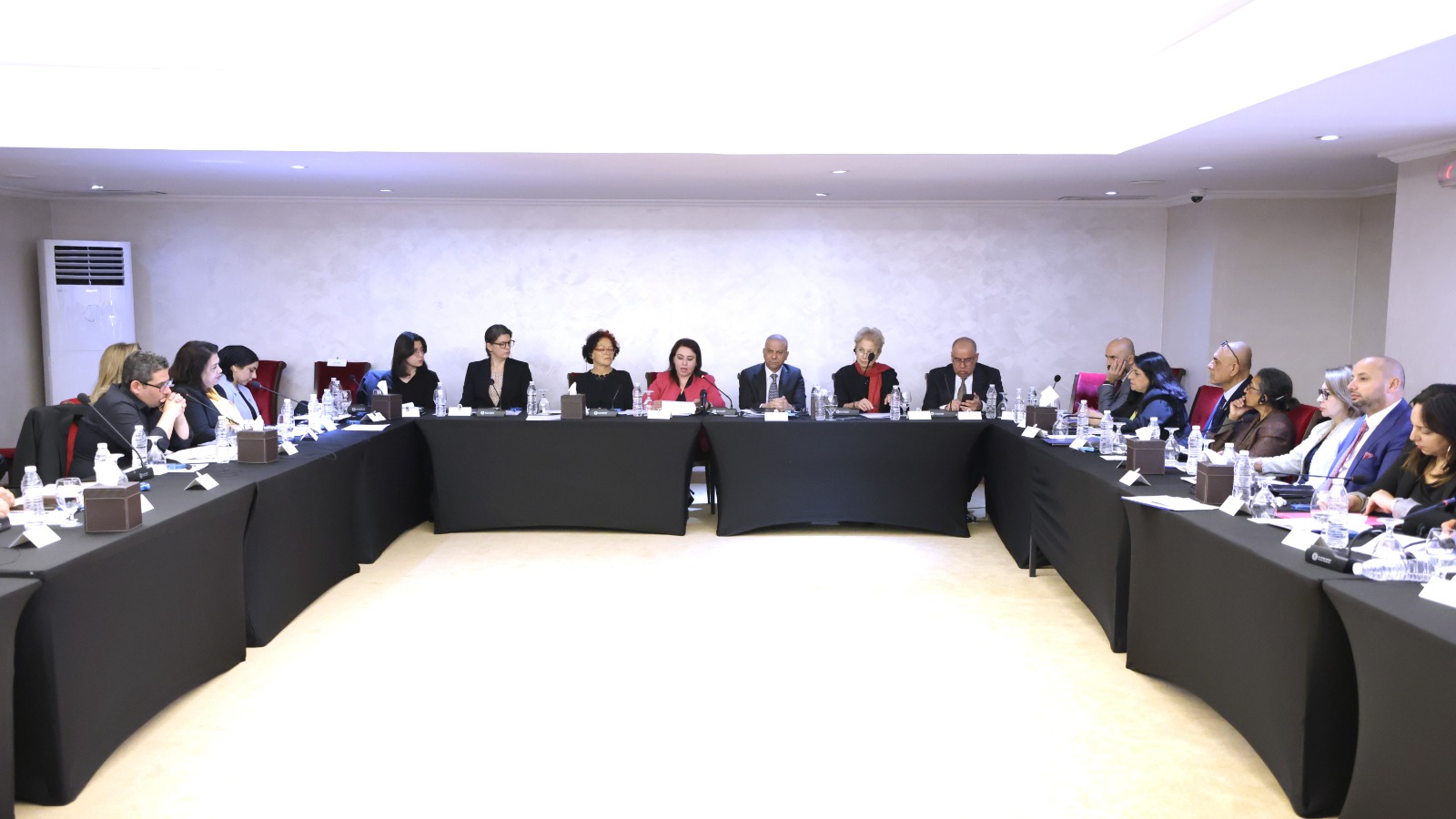
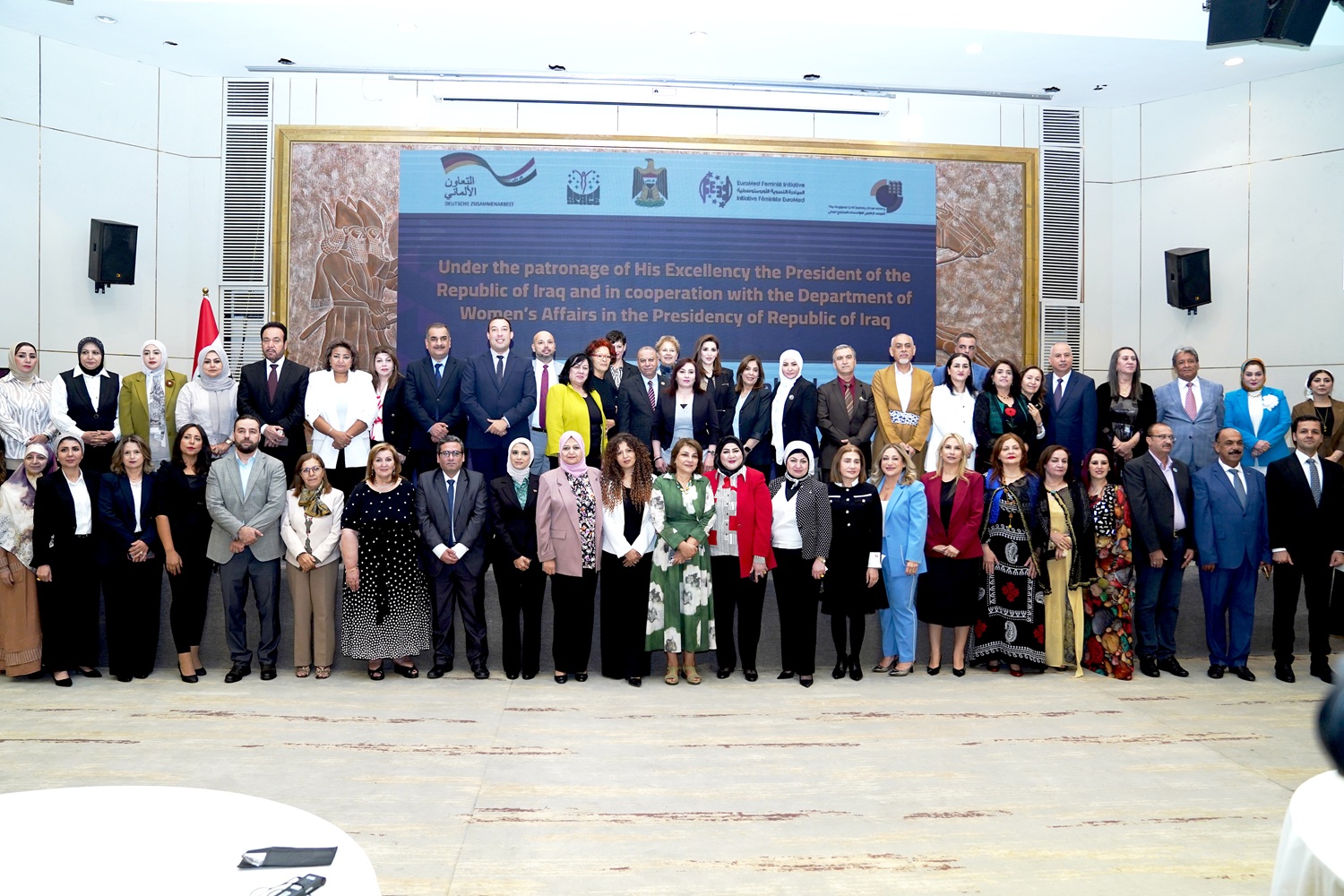
EuroMed Feminist Initiative in partnership with the Directorate of Women´s Affairs in the Presidency of Republic of Iraq and the Regional Observatory on Violence against Women and Girls (VAWG) organised a Regional Experts Roundtable to discuss (VAWG on November 27-28, 2024, at the Babylon Hotel in Baghdad. The roundtable took place as part of the project “Strengthening Participation, Peaceful Coexistence and Equality in Iraq” (SPACE), funded by the German Federal Ministry for Economic Cooperation and Development (BMZ), supported by Deutsche Gesellschaft für Internationale Zusammenarbeit (GIZ) GmbH.
Ms. Lilian French, Co-President of the EuroMed Feminist Initiative, emphasized in her opening remarks that violence against women and girls has been a central focus of the joint efforts across Europe and the Middle East for over a couple of decades of intensive work on women's rights. She added that States must ensure the protection of women living within their borders from any violation of their rights and pointed out that exclusion and discrimination against women remain prevalent in public spaces and, in some cases, are widely accepted and normalized. This acceptance and normalization pose a significant threat to women's freedom and the diversity of the social sphere.
Ms. Susan Leichtweiss, GIZ’s Head of Program of SPACE, stressed the importance of this meeting in contributing to achieving a peaceful and safe society for women and girls and emphasized GIZ’s commitment to supporting the increased participation of women in social and political decision-making and peacebuilding processes.
Dr. Amir Al-Kinani, Advisor to the President of the Republic, spoke about the role of the Presidency in implementing decisions aimed at curbing violence against women and ensuring their practical application through legislation and strategic planning. He noted that the Presidency had submitted several draft laws to Parliament for approval, including the Domestic Violence Law, the Supreme Commission for Women’s Empowerment Law, and the Yazidi Survivors Law, which has already been enacted. Additionally, numerous relevant treaties have been ratified, and the Presidency contributed to the drafting of the National Action Plan for the implementation of the UN Security Council Resolution 1325 on women, peace and security.
Following this, Ms. Hana Gorgis, Director of the Women's Affairs Directorate at the Presidency of the Republic, emphasized that violence against women remains one of the most widespread human rights violations globally. She noted that such violence often prevents women from fully contributing to the social, economic, and political development of their communities. Many women live in fear of violence, which profoundly affects their lives and their ability to exercise their human rights.
Date
Category
News
"")